Data extraction & recovery
Getting data out of systems that don't want to give it up — undocumented formats, dead platforms, failing media and legacy databases.
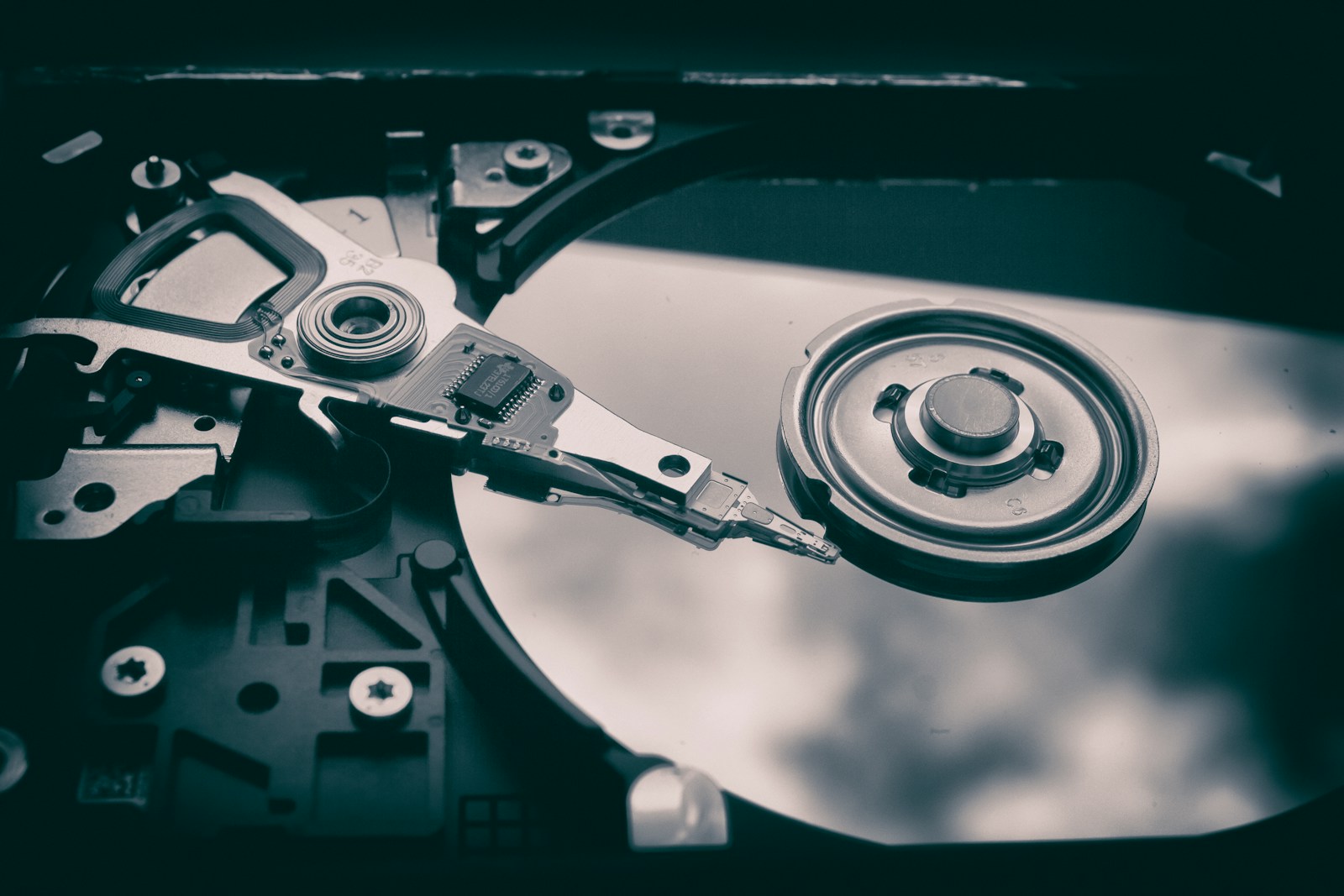
What we do
We get data out of places it wasn't meant to leave. Undocumented binary formats. Proprietary databases from vendors who no longer exist. Archives on media that modern hardware won't read. Applications whose export function was never finished.
An undocumented format is the job, not a blocker. We write custom parsers from first principles and reverse-engineer storage layouts. For degraded or obsolete media, we have access to forensic imaging equipment.
We're usually the last call before somebody gives up. The fallback is printing it all out for a room of interns to type back in, mistakes and all.
How we work
The first step is a feasibility assessment, and it's the cheapest part. We look at what you have and tell you what's recoverable, what probably is, and what isn't — before you commit to anything substantial.
Extraction is non-destructive wherever possible. We work from images rather than originals, and verify everything against a known-good sample. Reconciliation is built in, so you can prove what came out matches what went in.
You keep the tooling. The data comes back in a documented, open format, along with the code we wrote to produce it.
Who it's for
Companies migrating off a system nobody supports, where the vendor is gone and the export path was never built.
Legal and compliance teams who need records from an archive that predates the current platform.
Anyone quoted an unreasonable sum by a vendor to export their own data.
You need a clear right to the data. Where ownership is contested, that has to be settled before we start. If you're not sure where you stand, ask — we'll tell you what we'd need to see.
From the blog
What we've learned building software, and the opinions we came away with.
You don't need WordPress any more
I ran WordPress for years — my own sites and clients', from cPanel to HHVM to a dedicated server. Then came the hack while I was asleep, and the content I couldn't manipulate. Why I left, and what I run instead.

Reintroducing Intracia
A new site, a clear list of the work we take on, and Intracia out in the open for the first time.